
My RoleStrategy Lead
Strategy DeliverablesStrategic Principles
Design Principles
Trend & Market Analysis
Workshop Facilitation
Future Opportunities
Overall Strategic Approach
LG's StoryLG is a global leader in consumer electronics and home appliances, creating innovative technologies and connected experiences that improve everyday life for millions of customers worldwide.
The Ask
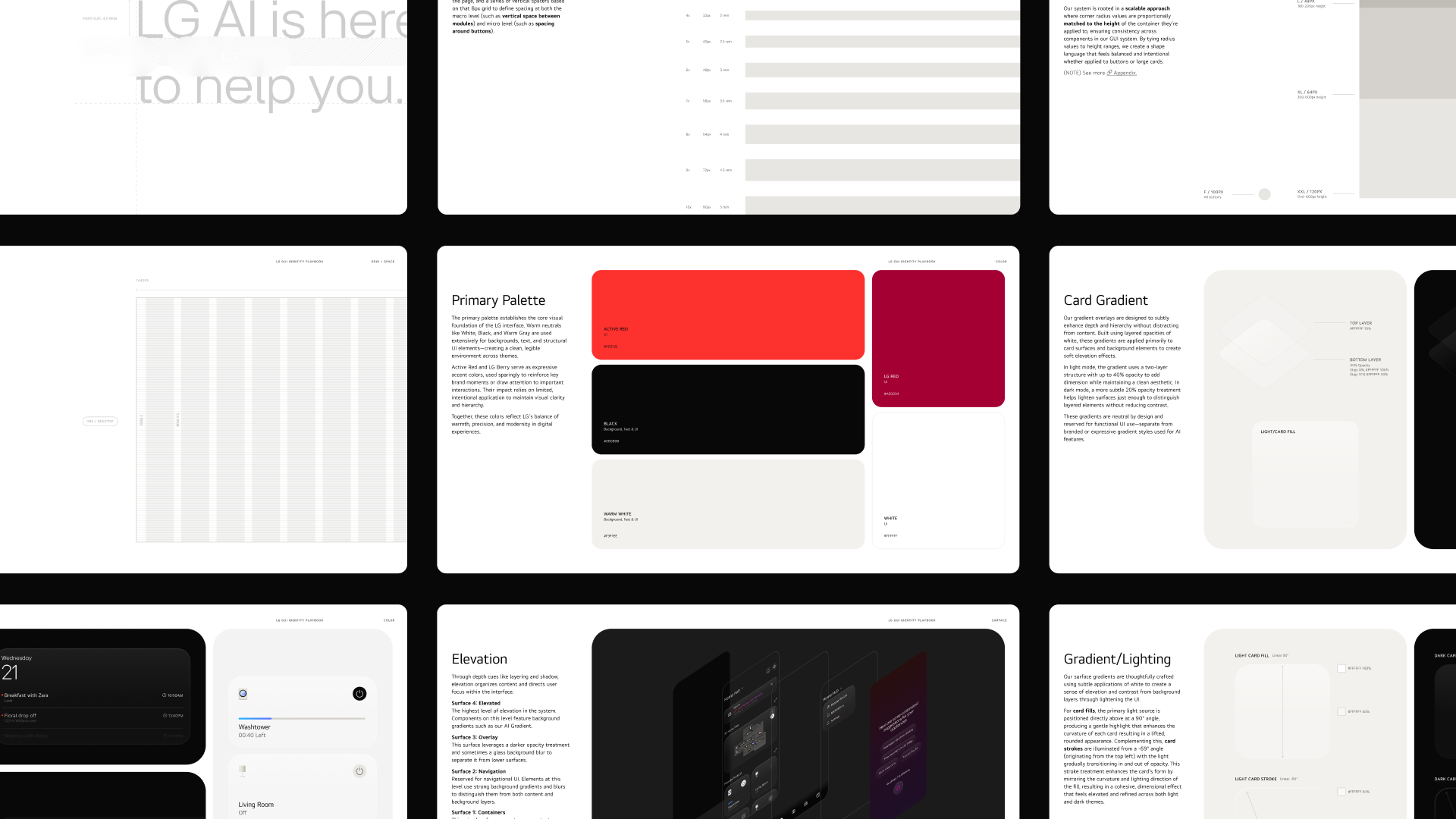
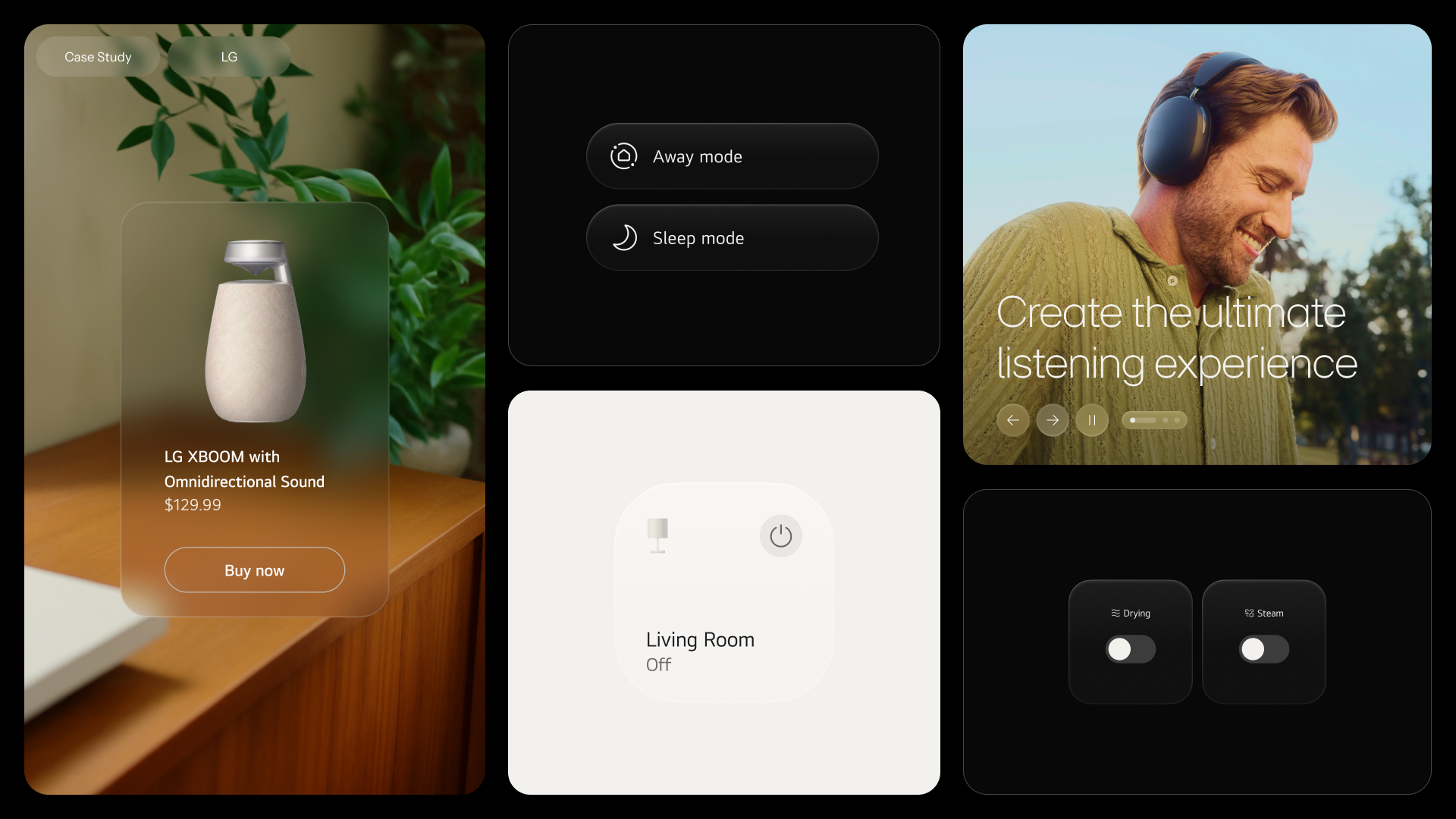
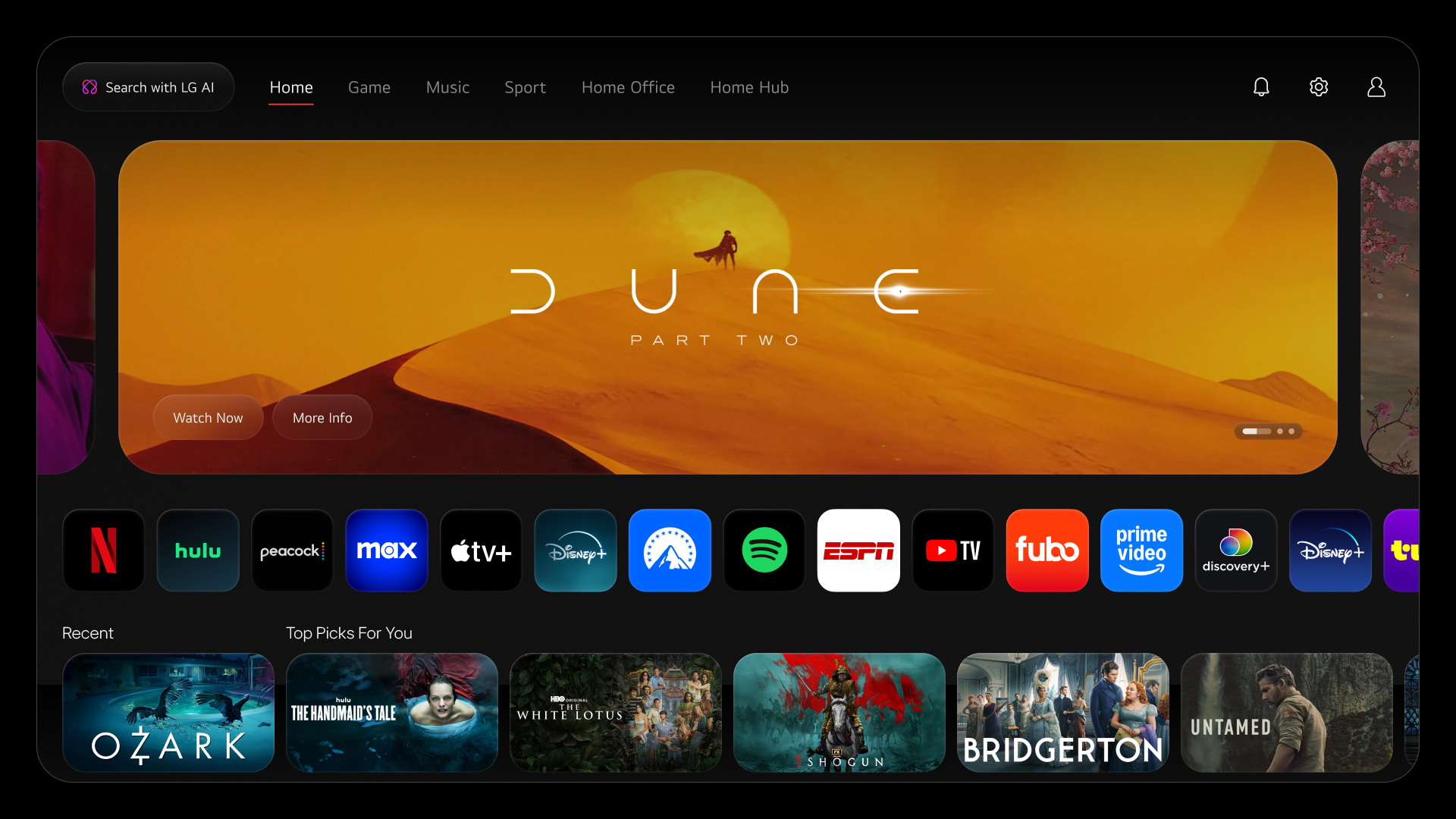
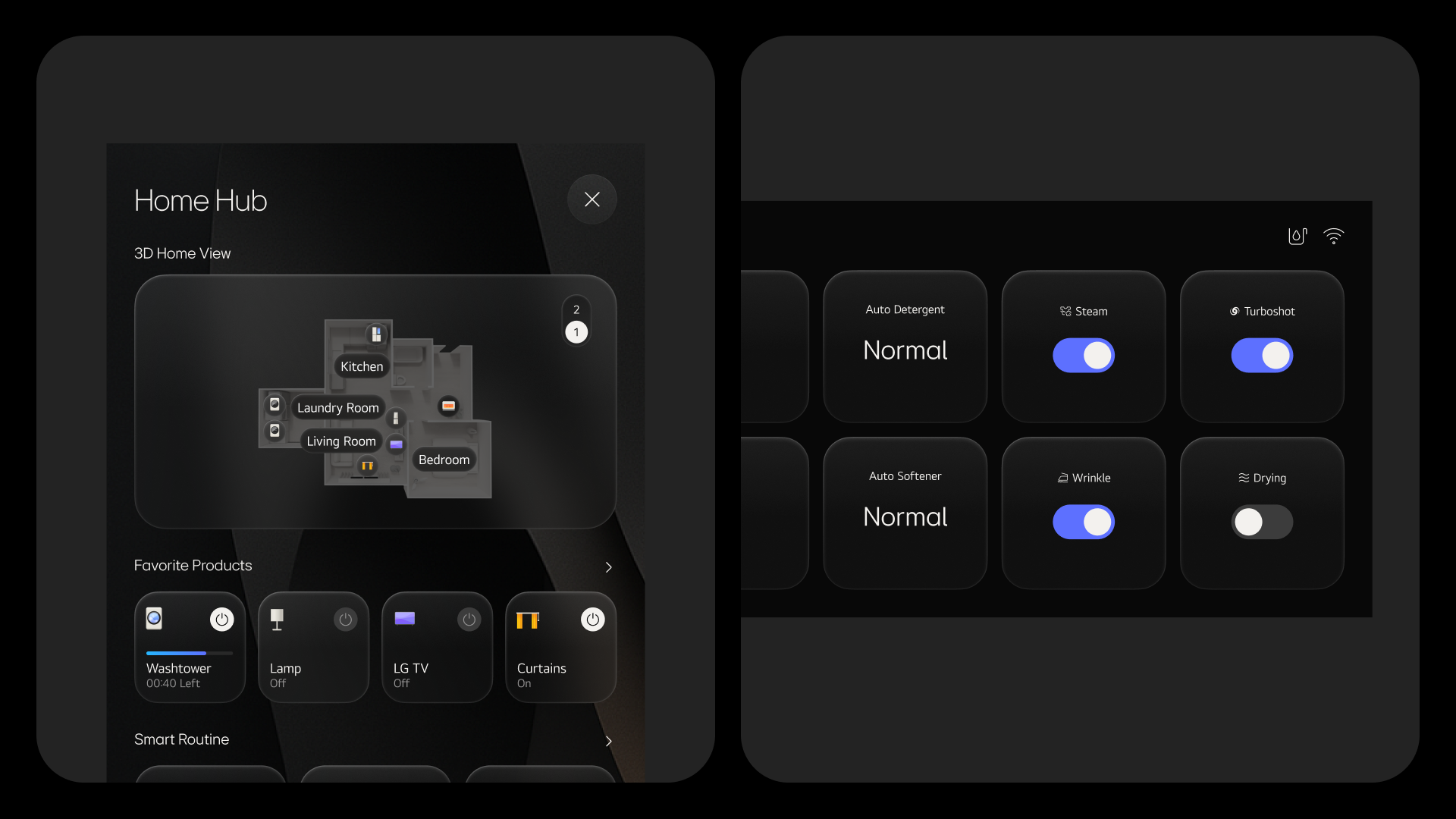
Create a strong and recognizable GUI that is unmistakably LG by unifying the brand across products, enabling seamless, enjoyable experiences within an IoT ecosystem. It must balance consistency with flexibility, scaling across devices while adapting to diverse user needs at a global scale.
The Challenge
LG’s current design systems were split across products and teams, creating a disjointed experience. For users who were adopting more of the LG ecosystem, this was becoming a massive pain point. How can we create a single GUI identity that works across TVs, appliances, mobile apps, and future AI experiences without making every product feel identical?
Research & Landscape
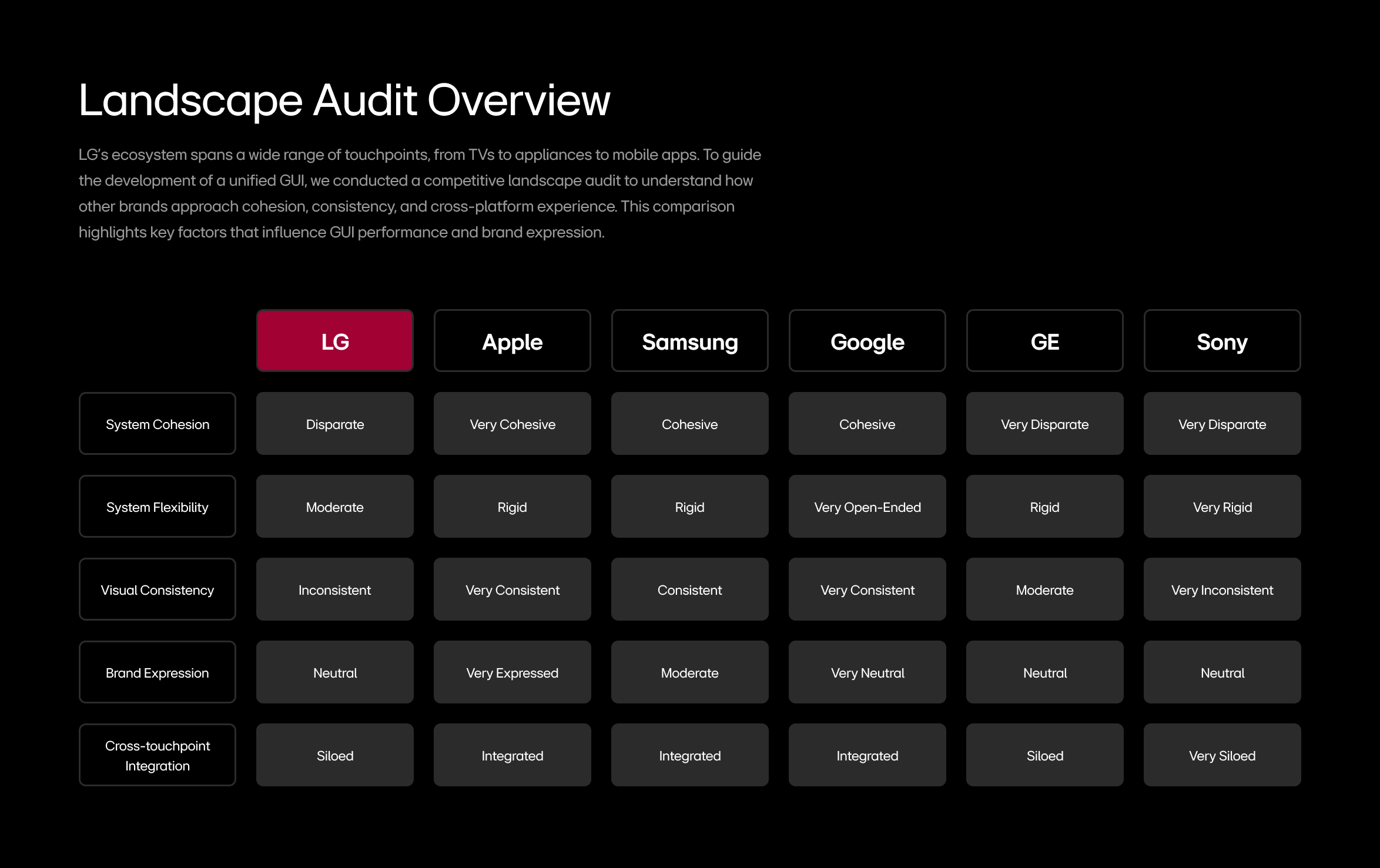
Rather than comparing interfaces screen by screen, I created an evaluation framework focused on the qualities that define a successful multi-device ecosystem:
System cohesion
System flexibility
Visual consistency
Brand expression
Cross-touchpoint integration
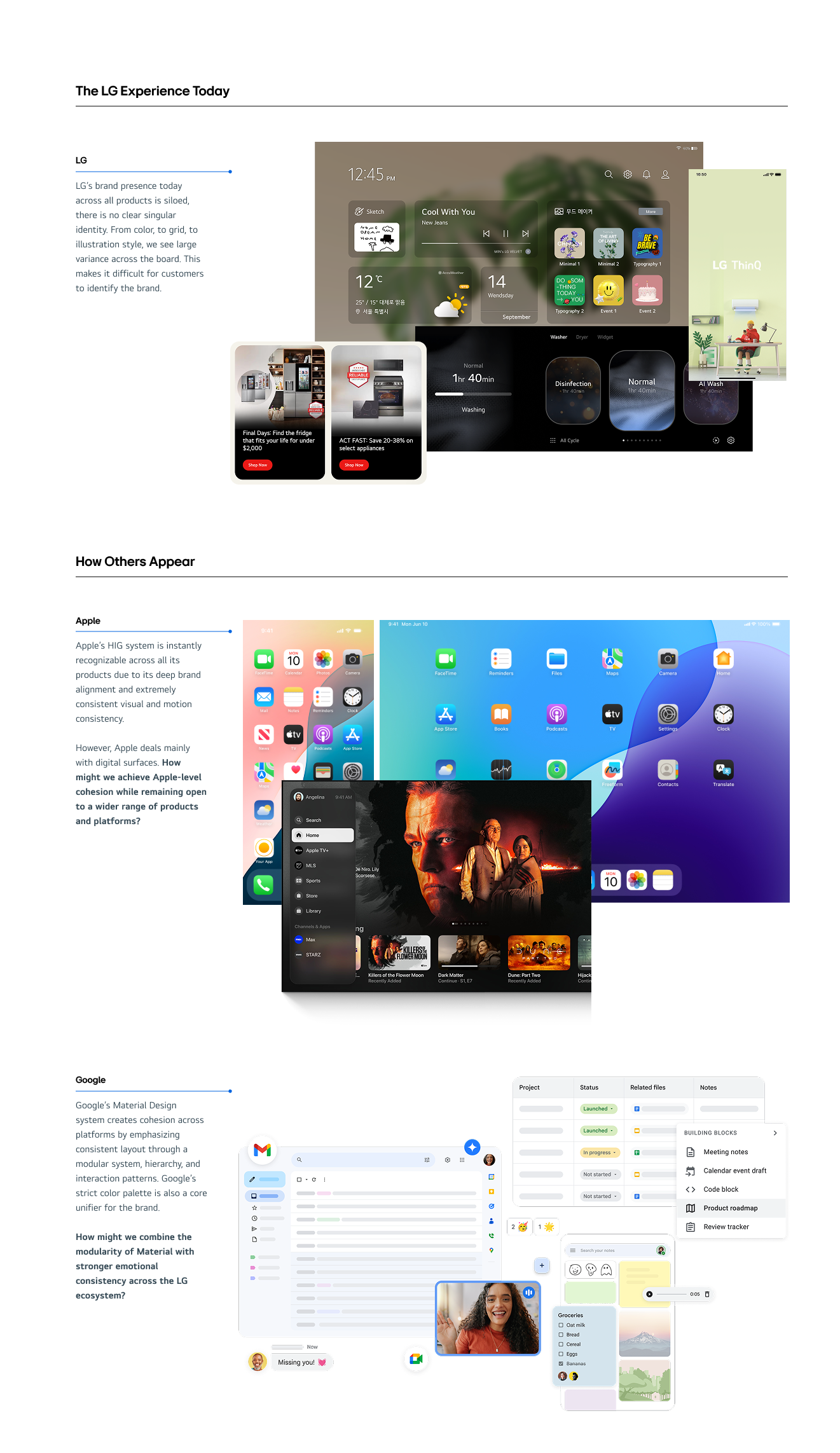
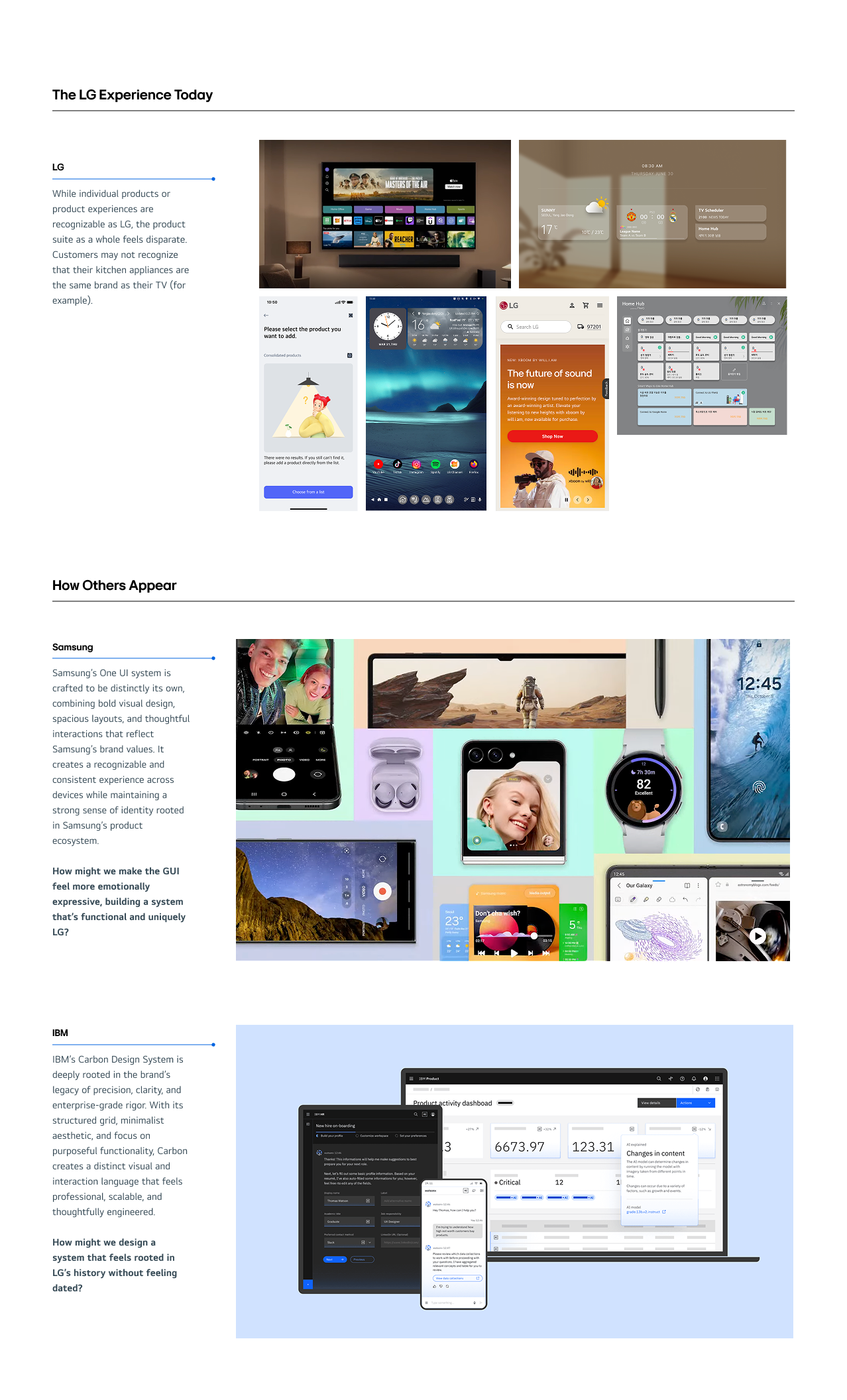
Before the team could define a new GUI direction, I needed to understand why LG's existing experience felt fragmented. I evaluated the current ecosystem alongside adjacent industry leaders, looking beyond visual style to understand how leading brands created cohesive experiences across products, platforms, and interaction models. Those findings became the strategic foundation for every design decision that followed.
Key Learnings
No competitor solved every problem
Each benchmark brand excelled in one or two dimensions. Apple demonstrated exceptional cohesion, Google prioritized flexibility, and Samsung created a strong connected ecosystem. However, none successfully balanced all of the qualities required for a product ecosystem as broad and diverse as LG's.
LG's challenge was systemic, not visual
The audit revealed that inconsistency was rooted in disconnected systems rather than individual interface decisions. Creating a unified experience required establishing a shared framework that could guide interaction, behavior, and brand expression across every product, instead of simply refreshing individual interfaces.
The opportunity extended beyond today's products
LG's ecosystem spans mobile apps, TVs, appliances, and emerging AI experiences. The design language needed to support future products just as effectively as current ones, creating a foundation that could evolve alongside new technologies without losing consistency or recognition.
Ecosystem Strategy
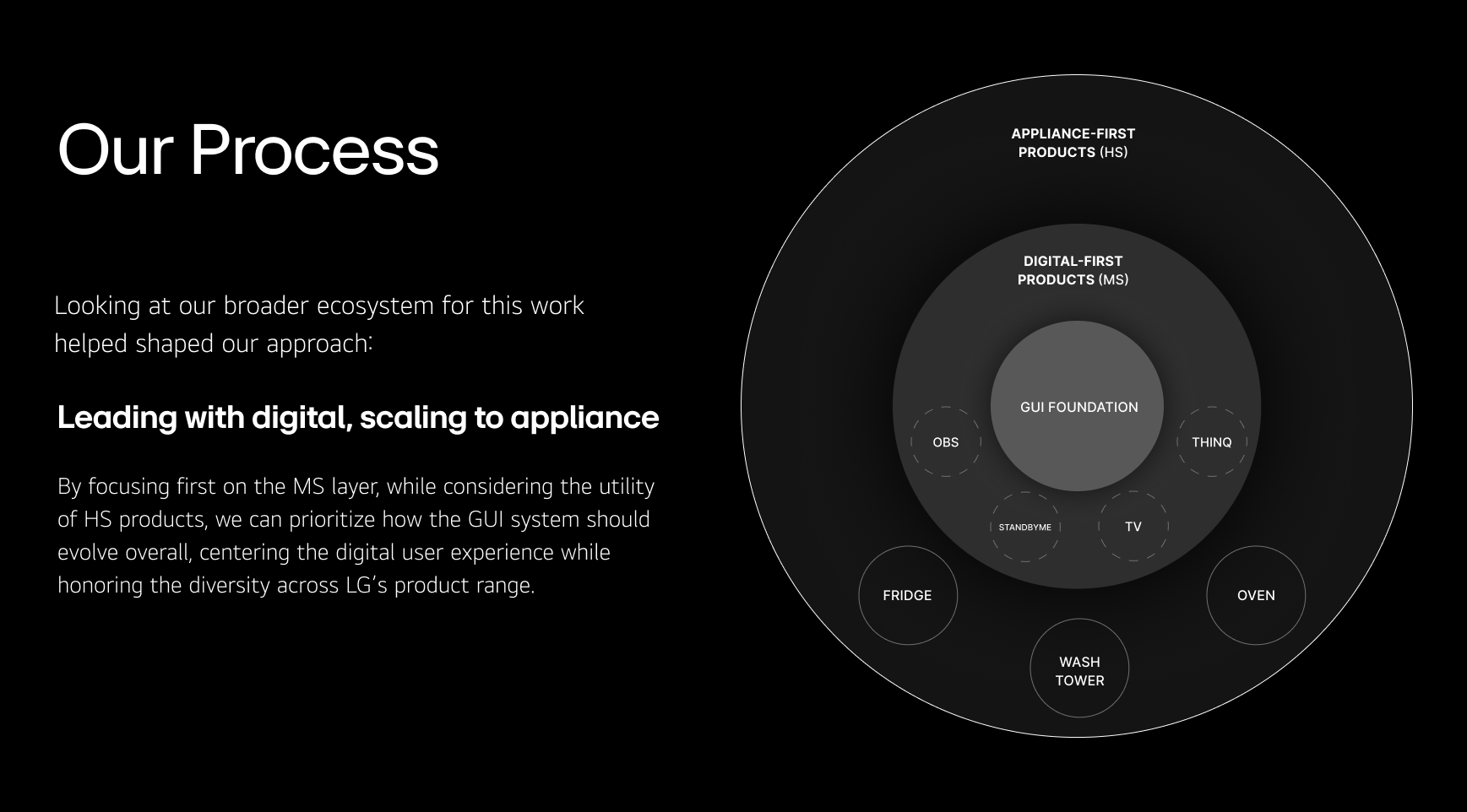
Creating a unified GUI for LG meant designing beyond a single interface. Rather than redesign every product at once, we established the GUI foundation within LG's core digital touchpoints, creating a scalable system that could extend across the broader ecosystem while maintaining consistency and flexibility.
The competitive audit identified where LG stood today, but it didn't define where the brand should go next. To bridge that gap, I synthesized ecosystem pain points, emerging UX trends, and competitive strengths into four strategic opportunity areas that would guide the design direction.
Strategic Principles
Unified
Establish seamless continuity
LG's products felt like individual experiences rather than a connected ecosystem. I identified opportunities to standardize core interaction patterns while preserving the unique needs of each product category.
Responsive
Build for adaptability
The GUI needed to work equally well across TVs, appliances, mobile devices, and future form factors by emphasizing flexible layouts and modular components over fixed interfaces.
Intelligent
Design for the future
As AI becomes central to the product experience, the interface needed to evolve beyond isolated features into a consistent, recognizable system that could scale as capabilities expanded.
Ownable
Bring LG to life
Beyond usability, the system needed to become unmistakably LG by expressing the brand's warmth and personality through interaction, motion, and visual language.
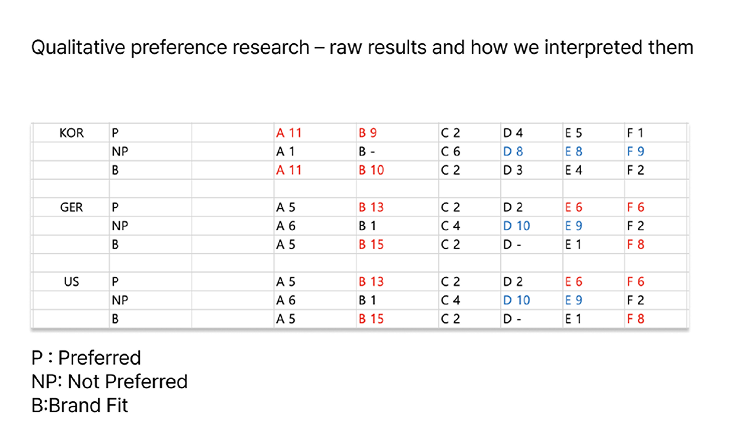
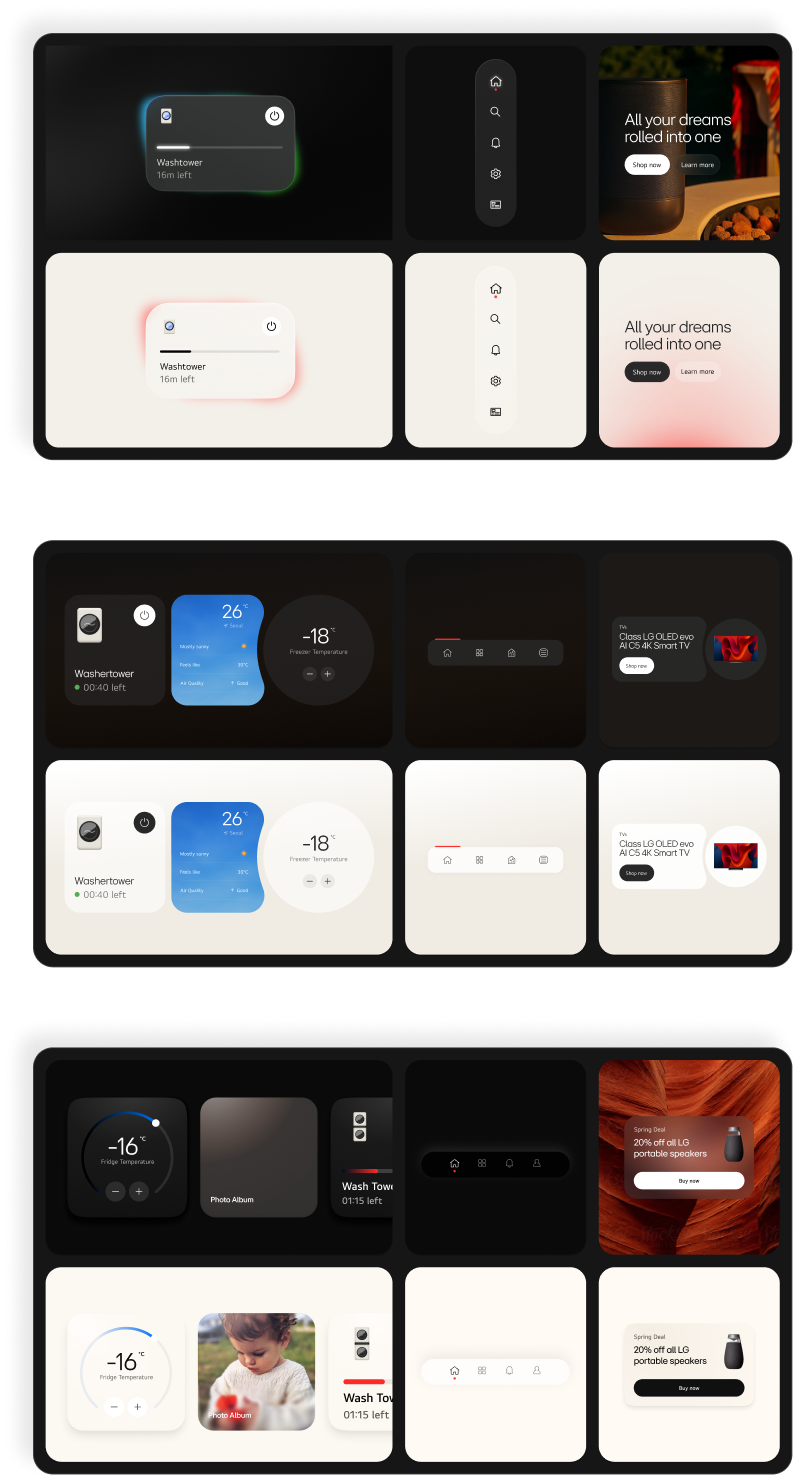
With the GUI direction refined through close collaboration with LG, we validated the work through structured preference testing. Rather than using testing to select a winning concept, the goal was to understand which qualities resonated most strongly across audiences and identify opportunities to further refine the final direction before delivery.
Validating the Direction
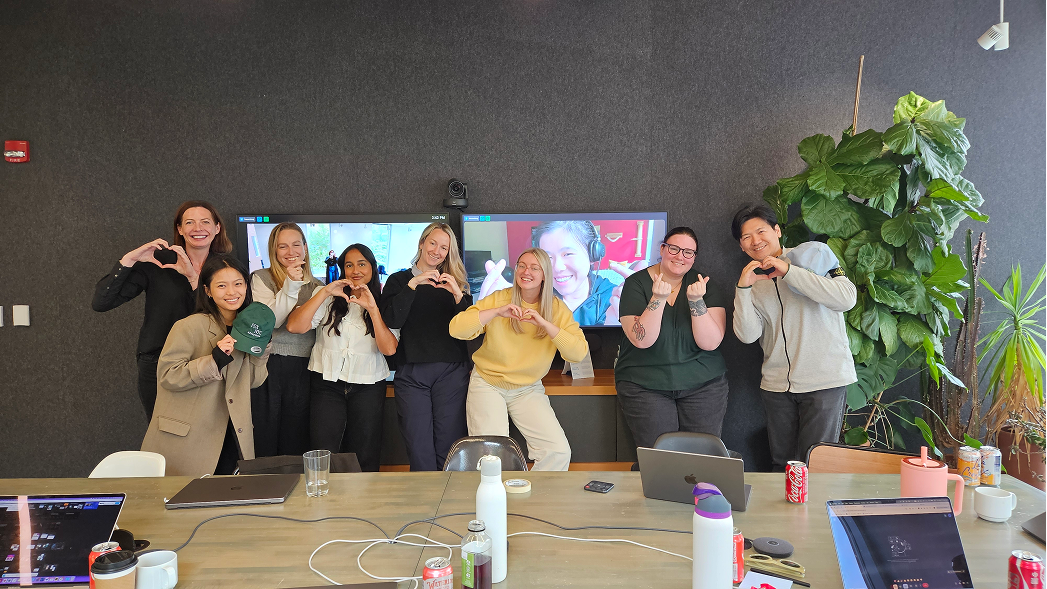
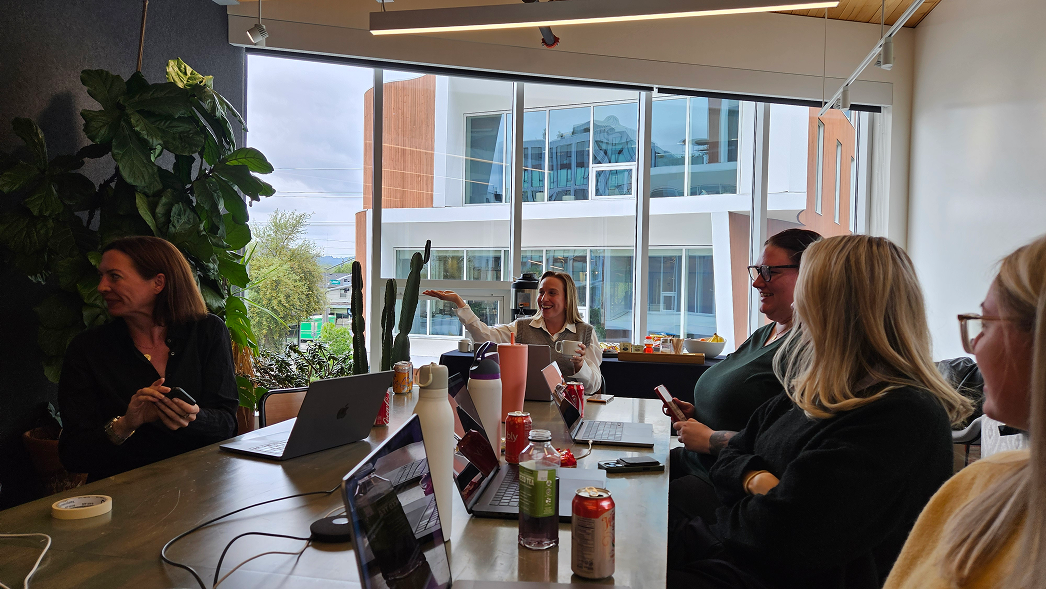
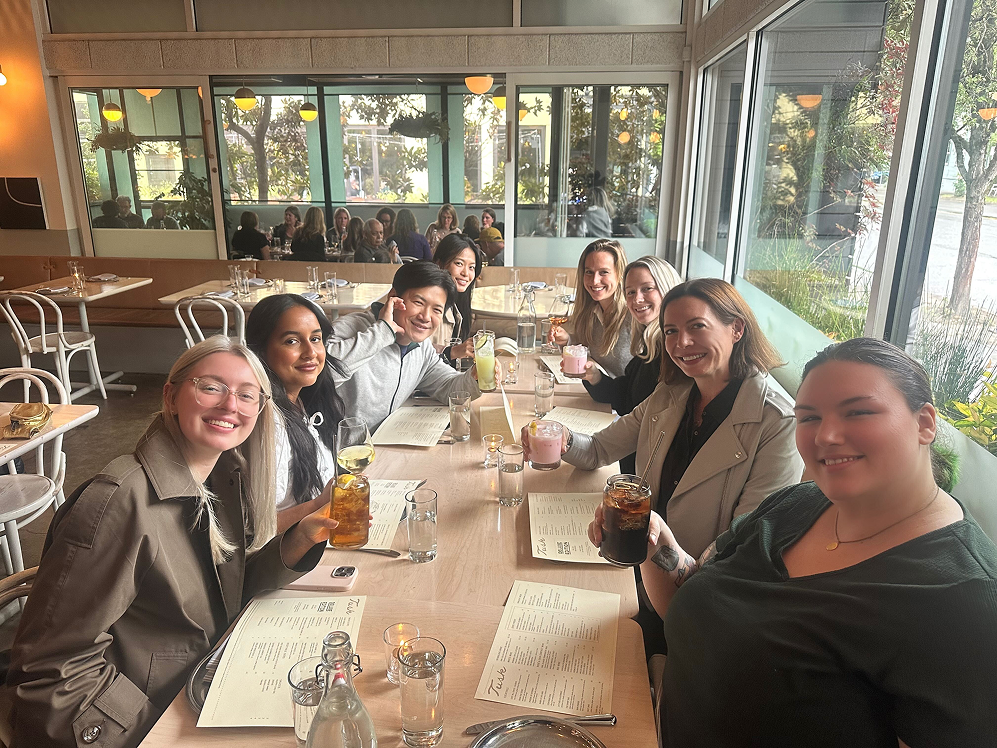
This project challenged me to think beyond the work itself and consider how strategy is communicated across cultures. With stakeholders based entirely in South Korea, we established a collaborative rhythm and presentation format that made complex design decisions easier to discuss despite language and cultural differences. Near the end of the engagement, two of our core stakeholders traveled to Portland for a two-day working session to refine the final GUI direction before testing. It became one of the defining moments of the project, transforming a remote client relationship into a true partnership and broadening my perspective on leading strategy for global teams.
Collaborative Strategy
As the engagement evolved, I identified opportunities that extended beyond the initial GUI initiative. Rather than viewing the design system as a standalone deliverable, I developed a strategic roadmap for how LG could continue to strengthen its ecosystem through future UX, AI, and design system investments.
Looking Ahead
Scale the Foundation
Expand the GUI system, broaden component coverage, and establish a centralized documentation hub to support adoption across teams.
Evolve the Brand
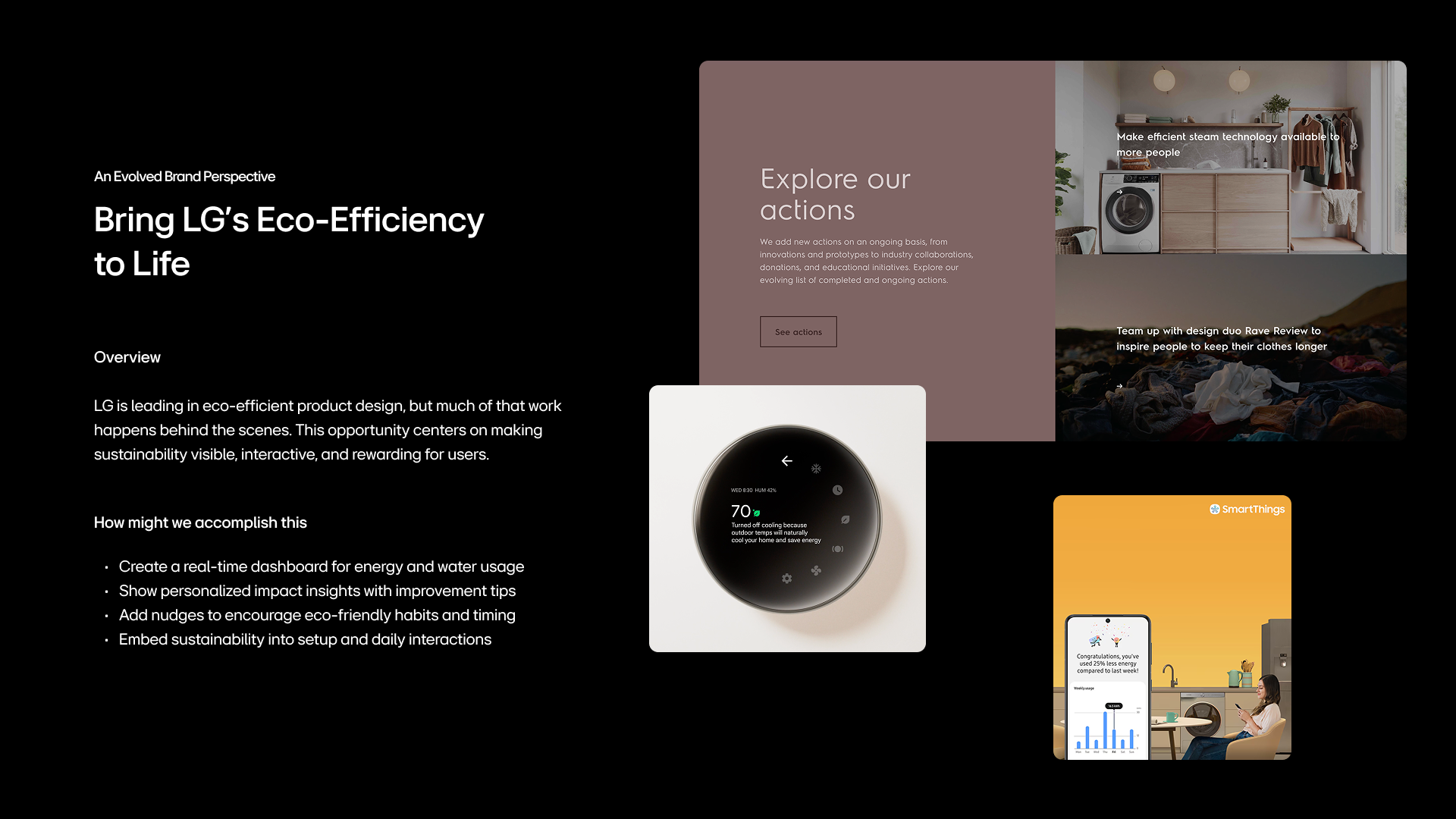
Explore new opportunities to strengthen trust through transparent AI experiences and bring LG's sustainability story to life across the product ecosystem.
Optimize the Experience
Apply the same strategic thinking to LG.com and ThinQ through UX audits, journey mapping, and information architecture improvements.
Continue Innovating
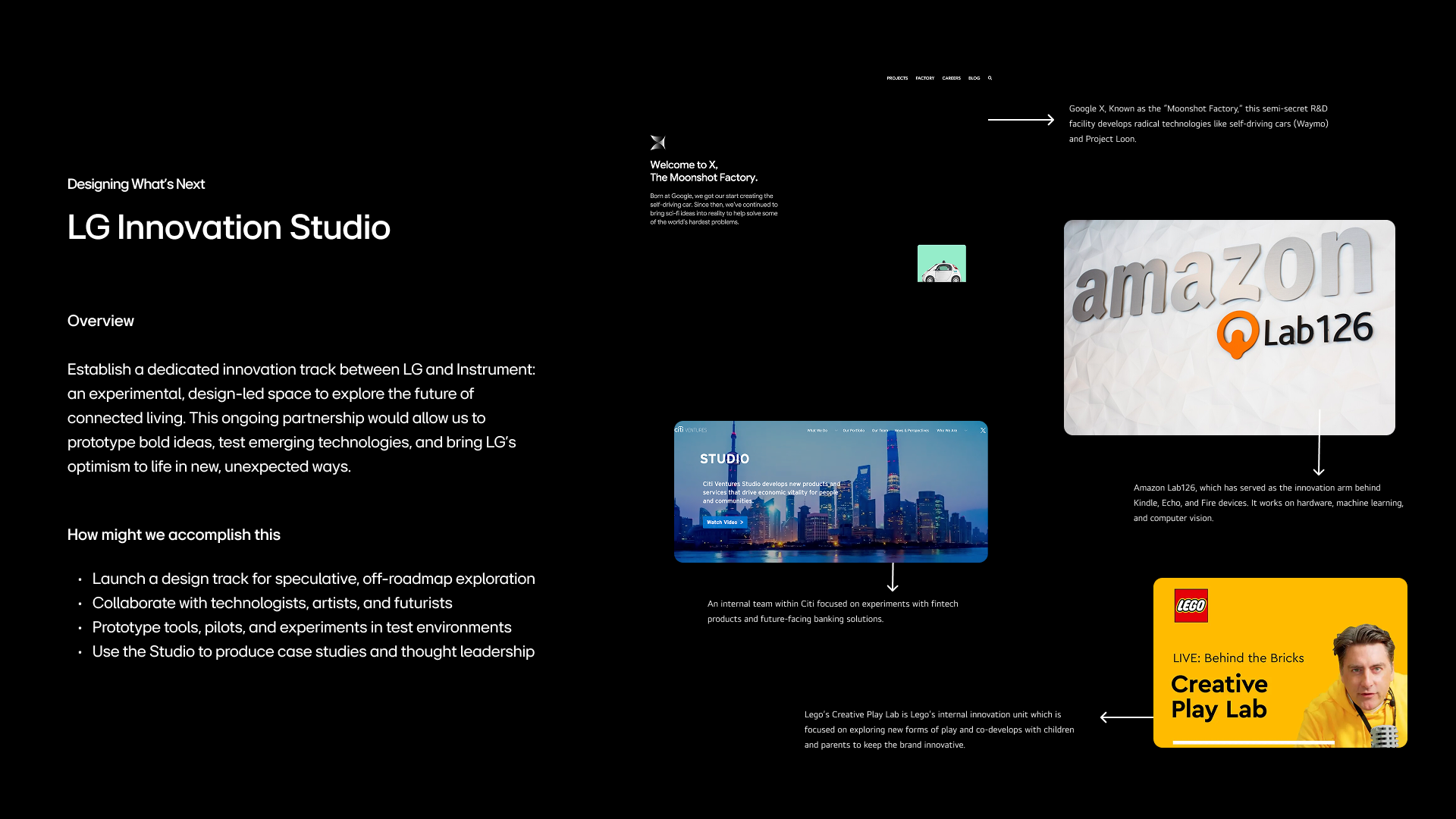
Create space for experimentation through AI exploration, sonic branding, and an innovation practice focused on future customer experiences.
Reflection
This project reinforced that successful design systems are built through strategy as much as design. Leading the strategic foundation for a global engagement challenged me to balance research, new ways of collaboration, and systems thinking while aligning stakeholders across cultures and disciplines. More than creating a cohesive GUI vision, it demonstrated how thoughtful strategy can establish a foundation that continues to guide products long after a single engagement ends.
From Kevin Jung, UX Director